
SHANGHAI, May 27, 2026 — China’s domestic stainless steel market has entered a persistent sideways trading pattern through late May 2026, as resilient raw material cost floors clash with sluggish downstream consumption, high inventory pressure and cautious buying sentiment across industrial end markets. Futures and spot prices have seesawed within a tight band, with no clear directional breakout amid conflicting fundamental signals.
Latest closing data from the Shanghai Futures Exchange (SHFE) showed the most active stainless steel futures contract settled at 14,952 yuan per metric ton on Wednesday, May 27, up 120 yuan or 0.81 percent from the prior session. The contract traded between 14,815 yuan and 15,035 yuan during the day, with heavy trading volume of 292,531 lots, reflecting short-term speculative swings rather than a decisive trend shift.
Since the post-Labor Day rebound in early May, stainless steel prices have lost upward momentum and retreated into consolidation. Spot quotes for benchmark 304/2B cold-rolled coil in Wuxi—China’s core stainless steel trading hub—climbed above 15,700 yuan/ton right after the holiday, before easing back to the 15,350–15,450 yuan/ton range in mid-May. Recent industry assessments put short-term futures trading guidance at 14,500–15,300 yuan/ton, signaling continued range-bound volatility.
Cost Side Offers Firm Floor, Led by Nickel Price Strength
The stainless steel complex continues to draw underlying support from its primary raw material chain. Mildly strengthening nickel prices have lifted production cost benchmarks for austenitic stainless products, preventing deep price sell-offs even as demand remains soft.
Market analysts noted that tightening nickel ore supply expectations, partially driven by quota adjustments and mining operation changes in Indonesia, have kept nickel and ferronickel markets elevated. For stainless steel mills, input costs have stayed relatively firm, limiting room for aggressive price cuts and establishing a technical bottom for the overall market.
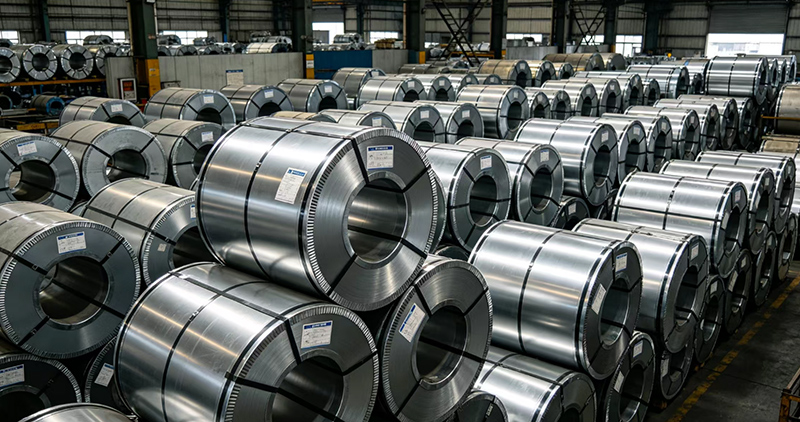
Demand Weakness and High Inventories Cap Upside Potential
On the flip side, persistent weak end-use demand has become the biggest headwind for stainless steel prices. Downstream sectors including home appliances, catering equipment, hardware, construction decoration and machinery manufacturing have maintained only bare-bones restocking demand, with limited willingness to purchase at current price levels.
Worsening the sentiment is stubbornly high social inventory and elevated exchange warehouse receipts across major trading markets. Stock digestion has proceeded slowly, as weak spot trading fails to absorb accumulated supply. While some inventory sub-indicators have edged slightly lower in recent weeks, overall destocking progress remains slow, leaving the market vulnerable to renewed pressure if buying fails to pick up.
Export Growth Provides Partial Sentiment Relief
One bright spot in an otherwise muted landscape is improved export performance. Official data for April 2026 showed a notable month-on-month jump in China’s stainless steel export volumes, delivering modest support to overall market confidence and partially offsetting weak domestic consumption.
However, export optimism has been contained by external headwinds. In late May, international market reports noted that Indonesian suppliers had lowered export quotes for 304/2B cold-rolled stainless steel by around $30 per metric ton, ending a six-month consecutive uptrend in global stainless offers. The move reinforced caution among global buyers and kept international trading sentiment restrained.
Industry View: Range Trading to Persist; Key Watch Points Ahead
Industry insiders and futures research institutions widely agree that the stainless steel market will stay stuck in high-range oscillation in the near term, trapped between strong cost support and fragile demand reality.
A conclusive trend reversal, either to the upside or downside, is unlikely until there is a meaningful shift in one or more key drivers:
- Changes in nickel ore, ferronickel and other raw material supply
- Mill production and delivery schedules
- Speed of social inventory destocking
- Recovery in downstream manufacturing and real estate-linked demand
- Further shifts in global export orders and international price competition
For now, market participants remain on the sidelines. Buyers hold back from bulk purchases on expectations of further price softness, while sellers resist deep discounting under cost pressure. The result is a low-transaction, high-volatility stalemate defining China’s stainless steel market as May draws to a close.
Short-Term Price Outlook (1–2 Weeks):
SHFE stainless steel futures are forecast to trade stably within 14,500–15,000 yuan/ton, with occasional spikes toward 15,300 yuan driven by raw material fluctuations. Sustained gains will depend on a genuine recovery in downstream order intake and accelerated inventory clearance.
Reporting by Industrial Commodities Desk
Data Sources: Shanghai Futures Exchange, Wuxi stainless steel spot market, Mysteel, industry research notes, May 20–27, 2026