
Why 316/316L Stainless Steel Coil Fails in Some Applications — Common Problems, Causes, and Solutions
Introduction
316/316L stainless steel coil is widely recognized for its excellent corrosion resistance and long service life. Because of its molybdenum content, it is commonly selected for marine environments, chemical processing systems, food-grade equipment, and industrial fabrication projects.
However, many engineers, contractors, and international buyers discover that even 316 stainless steel can still fail under certain conditions.
Common problems include:
- Surface rust
- Pitting corrosion
- Weld discoloration
- Crevice corrosion
- Tea staining
- Premature surface deterioration
In many cases, the issue is not the material itself, but improper grade selection, poor fabrication practices, unsuitable surface finish, or incorrect environmental assumptions.
Understanding why 316/316L stainless steel fails is critical for reducing maintenance costs, avoiding project delays, and improving long-term equipment reliability.
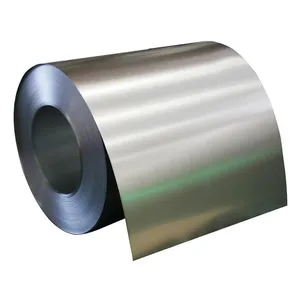
Is 316 Stainless Steel Completely Rust-Proof?
One of the biggest misconceptions in the global stainless steel industry is the belief that stainless steel never rusts.
In reality:
316 stainless steel is corrosion-resistant, not corrosion-proof.
Even high-grade stainless steel can corrode when exposed to:
- High chloride concentrations
- Poor ventilation
- Acid contamination
- Industrial pollution
- Improper cleaning
- Surface iron contamination
This is especially important for buyers working in:
- Coastal construction
- Marine engineering
- Chemical plants
- Wastewater treatment systems
The Most Common Failure Problems in 316/316L Stainless Steel Coil Applications
1. Pitting Corrosion
What Is Pitting Corrosion?
Pitting corrosion appears as small holes or localized attack points on the stainless steel surface.
Although the surface may initially look acceptable, internal corrosion can progress rapidly.
Main Causes
The most common cause is chloride exposure, including:
- Seawater
- Salt spray
- Industrial chemicals
- Cleaning agents containing chlorides
Once the protective oxide layer breaks down, localized corrosion begins.
How to Reduce Pitting Risk
- Use smoother surface finishes such as BA or polished finishes
- Avoid stagnant saltwater exposure
- Perform regular cleaning
- Use higher-alloy grades if chloride concentration is extremely high
In highly aggressive marine environments, duplex stainless steel may perform better than standard 316.
2. Tea Staining on Stainless Steel Surfaces
What Is Tea Staining?
Tea staining is a brown discoloration that often appears on stainless steel surfaces near coastal environments.
It is mainly cosmetic, but it negatively affects appearance and may indicate improper maintenance.
Why Does It Happen?
Common reasons include:
- Salt accumulation
- Rough surface finishes
- Lack of rain washing
- Airborne contamination
Tea staining is more likely on rougher surfaces such as No.4 finishes compared with smoother polished surfaces.
Prevention Methods
- Use smoother finishes
- Wash surfaces regularly
- Improve drainage and ventilation
- Avoid contamination during installation
3. Weld Corrosion Problems
Why Do Welded Areas Corrode Faster?
Welding can damage the protective chromium oxide layer if not handled correctly.
Poor welding practices may cause:
- Heat tint
- Chromium depletion
- Surface contamination
These areas become vulnerable to corrosion.
Why 316L Is Preferred for Welding
316L contains lower carbon content, reducing carbide precipitation during welding.
This significantly improves corrosion resistance after fabrication.
Best Practices
- Use low-carbon filler materials
- Perform pickling and passivation after welding
- Avoid overheating
- Remove weld scale completely
4. Crevice Corrosion in Hidden Areas
Crevice corrosion commonly occurs in narrow gaps where oxygen circulation is limited.
Typical locations include:
- Bolted joints
- Flange connections
- Under gaskets
- Overlapping metal sections
Even though the visible surface may remain clean, corrosion can develop inside hidden crevices.
Prevention Methods
- Reduce stagnant water accumulation
- Improve structural drainage
- Avoid unnecessary overlaps
- Use proper sealing design
5. Surface Contamination During Fabrication
One of the most overlooked issues in stainless steel projects is iron contamination during processing.
How Does Contamination Happen?
During fabrication, carbon steel particles may transfer onto stainless steel surfaces through:
- Shared grinding tools
- Contaminated rollers
- Improper storage
- Steel dust in workshops
These iron particles eventually rust, creating the false impression that the stainless steel itself is failing.
Why Surface Finish Matters More Than Many Buyers Think
Surface finish directly affects:
- Corrosion resistance
- Cleanability
- Appearance
- Maintenance frequency
Rough Surfaces Trap Contaminants
Rough finishes allow:
- Salt accumulation
- Moisture retention
- Chemical deposits
This increases corrosion risk over time.
Recommended Surface Finishes by Application
| Application | Recommended Finish |
|---|---|
| Marine Environment | BA / Polished |
| Food Processing | 2B / BA |
| Decorative Panels | HL / Mirror |
| Industrial Tanks | 2B |
| Chemical Equipment | 2B / Pickled |
Environmental Factors That Accelerate Corrosion
Even high-quality 316 stainless steel can deteriorate faster under certain environmental conditions.
High Chloride Environments
Examples include:
- Coastal areas
- Swimming pools
- Desalination plants
Industrial Pollution
Sulfur compounds and acidic pollutants can weaken the passive layer.
High Temperature + Humidity
Warm and humid conditions accelerate corrosion reactions.
Is 316 Stainless Steel Always the Best Choice?
Not necessarily.
Many buyers automatically choose 316 stainless steel without evaluating the actual operating environment.
In some projects:
- 304 stainless steel may already be sufficient
- Duplex stainless steel may be required
- Super austenitic grades may be more suitable
Material selection should consider:
- Chloride level
- Temperature
- Humidity
- Fabrication method
- Expected service life
- Maintenance conditions
How Professional Suppliers Help Prevent Failure
An experienced stainless steel supplier does more than simply provide material.
Professional suppliers help buyers:
- Select proper grades
- Choose suitable surface finishes
- Understand fabrication limitations
- Control welding quality
- Improve packaging and transportation
- Reduce long-term corrosion risk
This is especially important for international EPC projects and industrial fabrication.
Best Practices for Long-Term Performance
To maximize the lifespan of 316/316L stainless steel coil:
- Select the correct surface finish
- Avoid contamination during fabrication
- Clean surfaces regularly
- Use proper welding procedures
- Improve drainage design
- Minimize chloride accumulation
- Inspect welded areas periodically
Proper maintenance can dramatically extend service life even in aggressive environments.
Conclusion
316/316L stainless steel coil remains one of the most reliable corrosion-resistant materials in modern industry. However, no stainless steel is completely immune to failure.
Most corrosion problems result from:
- Incorrect application selection
- Poor fabrication practices
- Surface contamination
- Environmental exposure
Understanding these risks helps buyers make better material decisions and reduce long-term operational costs.
For industrial buyers, choosing a knowledgeable stainless steel supplier is just as important as choosing the correct stainless steel grade itself.