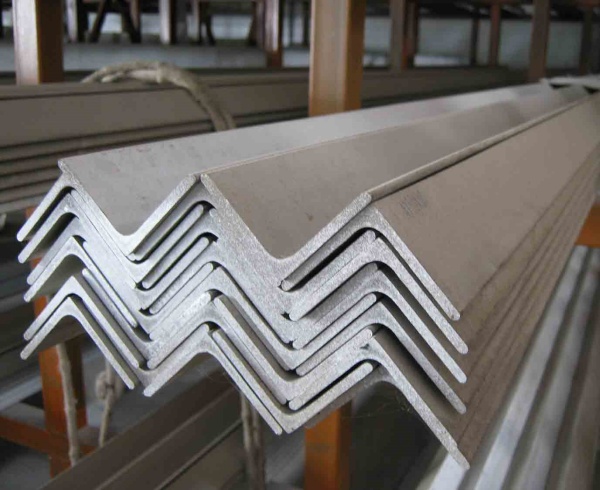
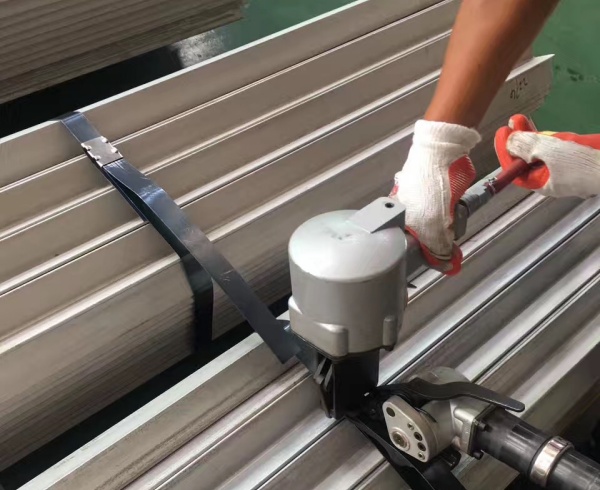
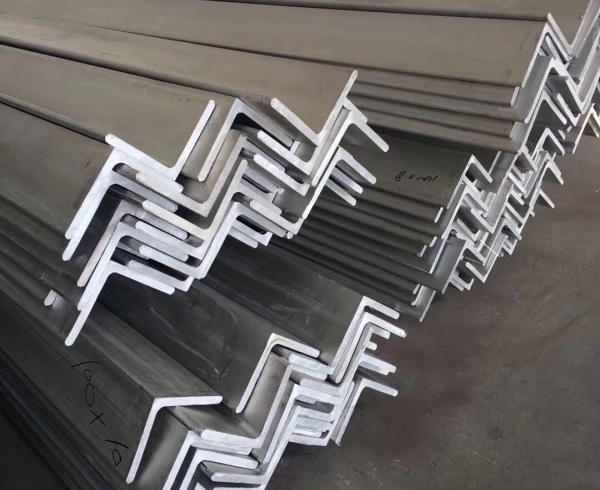
316L stainless steel angle bar is a low-carbon molybdenum-bearing austenitic stainless steel structural section. Compared with 304, it contains 2%–3% molybdenum, which delivers outstanding resistance to chloride ion corrosion, pitting corrosion and crevice corrosion. The “L” stands for ultra-low carbon, effectively eliminating intergranular corrosion after welding.
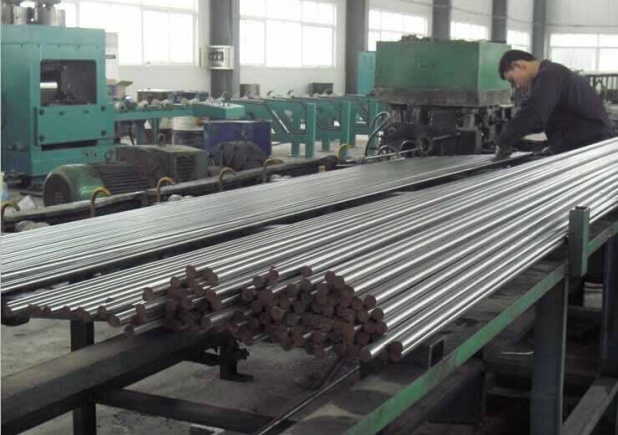
Manufactured by hot rolling, pickling, straightening and precision finishing, the angle bar features standard 90° right angle, flat surfaces, uniform thickness and stable dimensional tolerance. It supports cutting, drilling, welding, bending and machining, widely used in marine, chemical, sewage, food, medical and coastal anti-corrosion engineering. It is the top choice for projects exposed to salt water, salt spray and mild acid/alkali environments.
2. Global Equivalent Grade Cross Reference (All Standards)
| Standard System | Grade Designation | Applicable Standard Code |
| USA (UNS/ASTM) | UNS S31603 / AISI 316L | ASTM A276, ASTM A480 |
| Japan JIS | SUS316L | JIS G4303 |
| European EN | X2CrNiMo17-12-2 / 1.4404 | EN 10088-4 |
| China GB | 022Cr17Ni12Mo2 | GB/T 706, GB/T 1220 |
| British BS | 316S31 | BS EN 10088 |
| French NF | Z3CND17-12 | NF A35-571 |
| Swedish SS | SS2348 | SS Standard 2348 |
| Russian GOST | 03Х17Н14М3 | GOST 5632 |
Remark: All grades above are interchangeable for general industrial use. The ultra-low carbon feature (<0.03%) is consistent across all standard systems.
3. Chemical Composition (wt%, Standard Limit Range)
| Element | C | Si | Mn | P | S | Cr | Ni | Mo | N | Fe |
| Max/Min | ≤0.03 | ≤1.00 | ≤2.00 | ≤0.045 | ≤0.030 | 16.00–18.50 | 10.00–14.00 | 2.00–3.00 | ≤0.10 | Balance |
Core Composition Advantages
Ultra-low carbon (≤0.03%): Avoids chromium carbide precipitation during welding, prevents intergranular corrosion at weld seams.
Molybdenum alloy element: Dramatically improves resistance to chloride, brine, salt fog and sulfur-containing corrosive media.
16% chromium: Forms dense passive anti-rust film for general oxidation resistance.
High nickel content: Stabilizes full austenite structure, maintains excellent toughness and low magnetism.
Strict control of sulfur & phosphorus: Ensures smooth welding and no cracking during cold forming.
4. Physical & Mechanical Properties
4.1 Basic Physical Properties (Room Temperature)
Density: 7.98 g/cm³
Melting range: 1370 ~ 1400 ℃
Thermal conductivity: 15.9 W/m·K
Specific heat capacity: 500 J/kg·K
Resistivity: 0.74 Ω·mm²/m
Linear expansion coefficient (20–200℃): 16.0 × 10⁻⁶ /℃
Elastic Modulus E: 193 GPa
Shear Modulus G: 71 GPa
Poisson’s Ratio: 0.24
Magnetism: Non-magnetic under annealed state; slight weak magnetism after cold working
4.2 Mechanical Properties (Solution Annealed State)
| Performance Index | Standard Minimum Value |
| Tensile Strength | ≥485 MPa |
| 0.2% Offset Yield Strength | ≥170 MPa |
| Elongation (50mm gauge length) | ≥40% |
| Reduction of Area | ≥60% |
| Max Brinell Hardness HB | ≤207 HB |
Property Feature: Excellent ductility and weldability; low carbon eliminates welding decay; maintains stable mechanical performance under corrosive working conditions. Cold-worked angle bars have higher hardness and tensile strength for load-bearing structures.
5. Product Specifications & Surface Finishes
5.1 Size Range
Equal Angle Sizes: 20×20mm ~ 200×200mm
Thickness Range: 3mm ~ 20mm
Standard Length: 6000mm; custom fixed-length cutting available
Dimensional Tolerance: Hot rolled pickled angle ±0.5~±1.5mm; precision calibrated angle ±0.1~±0.3mm
Right Angle: Standard 90° flat right angle, no sharp burrs on edges
5.2 Common Surface Types
Hot Rolled Black Surface: Oxide black skin, low cost, for hidden heavy structural frames
Pickled Matte Surface: Uniform silver-gray, oxide-free, easy for welding and machining (most popular export grade)
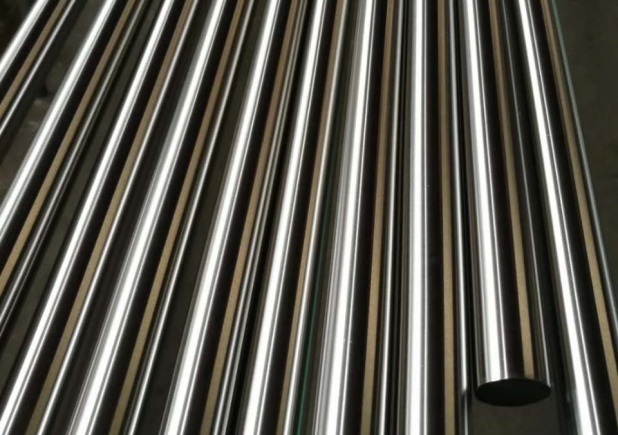
Polished Bright Surface: Mirror finish, anti-fouling, for exposed decorative and sanitary structures
6. Core Key Features
Superior Chloride Corrosion Resistance Unique molybdenum alloy design resists seawater, salt spray, coastal humidity, bleach and mild acid media; far better performance than 304 stainless steel.
Ultra-Low Carbon Anti-Weld Corrosion 316L avoids grain boundary corrosion after long-term welding, ideal for frequent welding engineering projects.
Excellent Weldability & Machinability High toughness, compatible with all stainless steel welding processes; easy cutting, drilling, tapping and bending without fracture.
Wide Temperature Adaptability Stable performance from cryogenic -196℃ up to continuous working temperature 600℃.
Food & Medical Sanitary Grade Non-toxic, no harmful metal precipitation, meets international food contact and pharmaceutical production standards.
Long Service Life in Coastal & Chemical Environments Self-repairing passive film, no need anti-rust coating, reduces later maintenance cost greatly.
Stable Structural Strength High rigidity as load-bearing support frame, widely used for anti-corrosion building supports.
7. Typical Applications
7.1 Marine & Coastal Engineering
Seawater equipment support frames, coastal guardrails, dock brackets, ship internal structural frames, offshore platform auxiliary supports, salt warehouse construction.
7.2 Chemical & Environmental Protection Industry
Chemical equipment brackets, sewage treatment tank frames, desulfurization equipment supports, acid & alkali workshop structural frames, waste water pipeline fixing frames.
7.3 Food, Beverage & Dairy Industry
Food processing workshop support frames, beverage equipment stands, seafood processing line brackets, stainless kitchen structural frames.
7.4 Medical & Pharmaceutical Equipment
Pharmaceutical production line racks, sterile workshop partition frames, medical device support structures, laboratory anti-corrosion brackets.
7.5 Architectural & Decoration Engineering
Coastal building curtain wall supports, outdoor anti-rust handrail frames, swimming pool internal structural frames, corrosive environment decoration brackets.
7.6 Aquaculture & Salt Industry
Aquatic breeding tank frames, salt processing workshop brackets, brine circulation equipment fixing frames.
8. Grade Comparison: 316L VS 316 VS 304 VS 304L
| Carbon Content | Mo Content | Chloride Resistance | Weld Corrosion Resistance | Core Application Scenarios |
| ≤0.03% | 2~3% | Excellent | Best | Marine, chemical, frequent welding |
| ≤0.08% | 2~3% | Excellent | Average | Low welding frequency salt environment |
| ≤0.08% | 0 | Poor | Average | Indoor normal atmospheric environment |
| ≤0.03% | 0 | Poor | Good | Welded indoor non-chloride projects |
9. Usage Notes
Though 316L resists mild chloride, it is not suitable for long-term immersion in concentrated salt water or strong oxidizing acid; higher grade like 904L is required for heavy corrosion conditions.
Cold rolling, cutting and bending will produce slight magnetism, which is a normal physical characteristic and does not affect structural strength; demagnetization service can be provided if required.
Continuous working temperature should not exceed 600℃; long-term high temperature will cause surface oxidation and reduce corrosion resistance.
For thick welding structures with long-term corrosive exposure, post-weld pickling & passivation treatment is recommended to restore full anti-corrosion performance.
10. Executive Standards & Export Certifications
Compliant with ASTM A480, ASTM A276, EN 10088-4, JIS G4303, GB/T 706, GOST 5632. Available documents: MTC material test certificate, SGS third-party inspection, RoHS environmental compliance, food-grade safety test report, fully compliant with global export standards.